
Masculinity, misogyny and online influence
Training that helps staff understand what boys are being sold online, and teach it without making boys the problem.
Book this trainingWhy this training
Misogyny, positive ideas of masculinity and the pull of online influencers are named in the statutory guidance that has applied since September 2026.
The training uses the approach behind our sample Year 9 sequence: this material reaches boys by attaching itself to things that are reasonable to want, and a lesson that separates the need from the answer can challenge the answer while keeping the boy in the conversation. Staff practise responding to misogynistic comments with that distinction in mind.
The evidence comes from the What do boys actually think? quiz, which sets out sixteen survey findings on what boys report and believe, each sourced to a named survey.
What staff will be able to do
- Explain why this material appeals to boys by naming the need it attaches itself to.
- Respond in the moment when a pupil repeats a misogynistic idea, in a way that keeps him in the conversation.
- Plan lessons that use influencers as examples without making them the subject.
- Pitch the content by age, including what to hold back until Year 10.
- Recognise when a comment is a safeguarding concern, and know what to do next.
What it covers
What boys are seeing
The content, the influencers and where boys find them, with survey evidence on what boys report seeing and what they believe.
The need and the answer
The method at the centre of the training: separating what is reasonable to want from the harmful answer sold alongside it, and teaching with that distinction.
Responding to misogynistic comments
Wording for responding when a pupil repeats a misogynistic idea, practised during the session.
Age and safeguarding
What to teach in KS3 and what to hold back, the guidance on incel material for Year 10 and above, and when a comment becomes a safeguarding concern.
Choose a length
What each length covers below is a typical outline. Every session is planned with you, so the content is adjusted to fit your staff and your school. Prices are per session, for one school, with up to 20 staff per facilitator, plus travel at cost. Every member of staff receives a certificate of completion and keeps the resources from the day.
Typical twilight, 90 minutes, £450
The core of the session: why the material appeals, the need-and-answer method, and wording for responding to misogynistic comments.
Typical half day, 3 hours, £650
Everything in the twilight, plus the What do boys actually think? quiz as a starting point and time to practise responses to classroom scenarios in small groups.
Typical full day, 5.5 hours, £950
Everything in the half day, plus time to adapt the sample Year 9 sequence to your own year groups, and a session on talking to parents about this topic.
Questions this training prepares staff for
Questions pupils handed us anonymously, on paper, in schools we have worked in. Printed as they were written. Every one is answered in full on Okay to Ask.
-
 Relationships
Is it ok to hit a girl?
Read the answer -
 Relationships
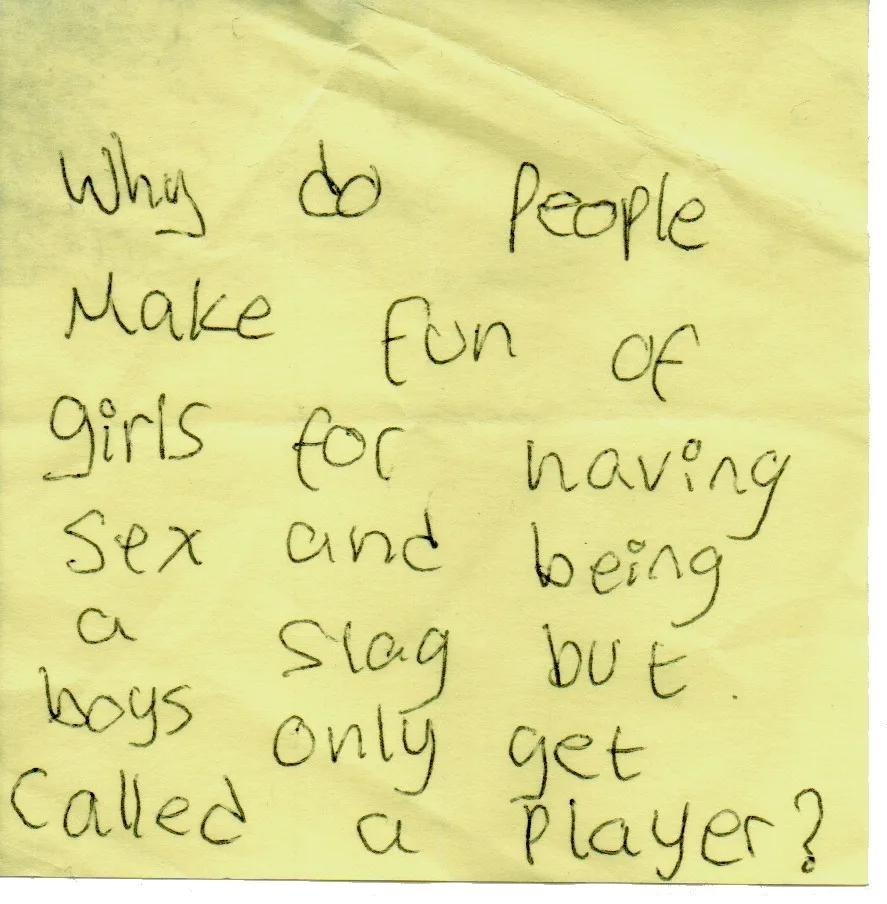
Why do people make fun of girls for having sex and being a slag but boys only get called a player?
Read the answer -
 Relationships
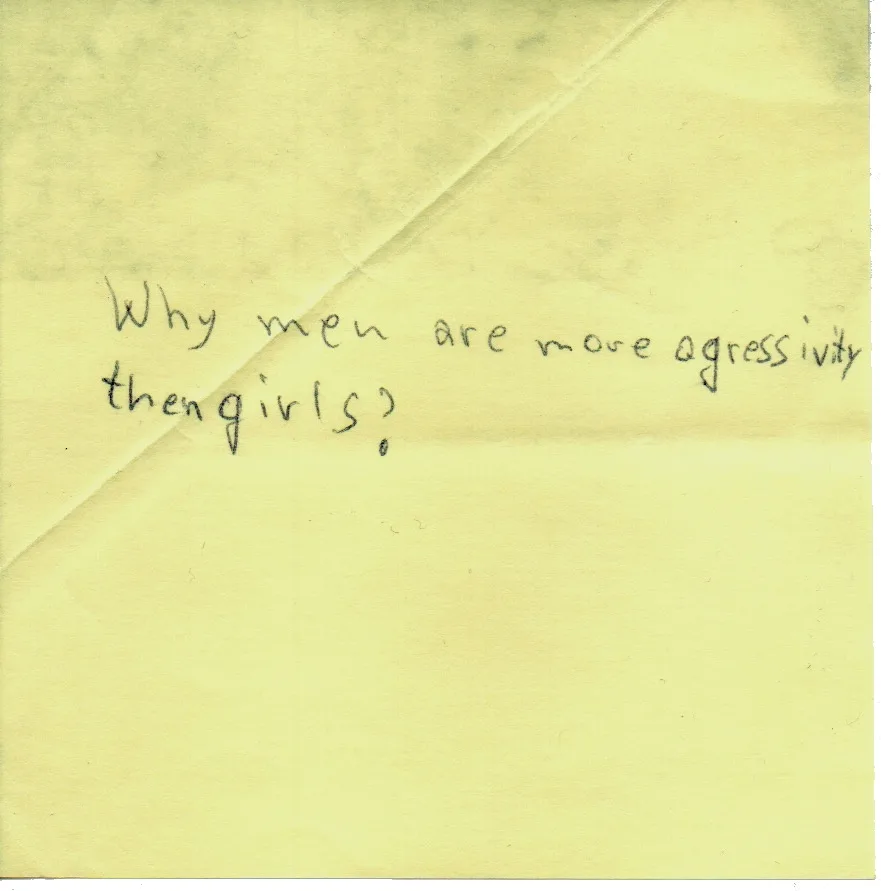
Why men are more agressive than girls?
Read the answer -
 Sex & the Law
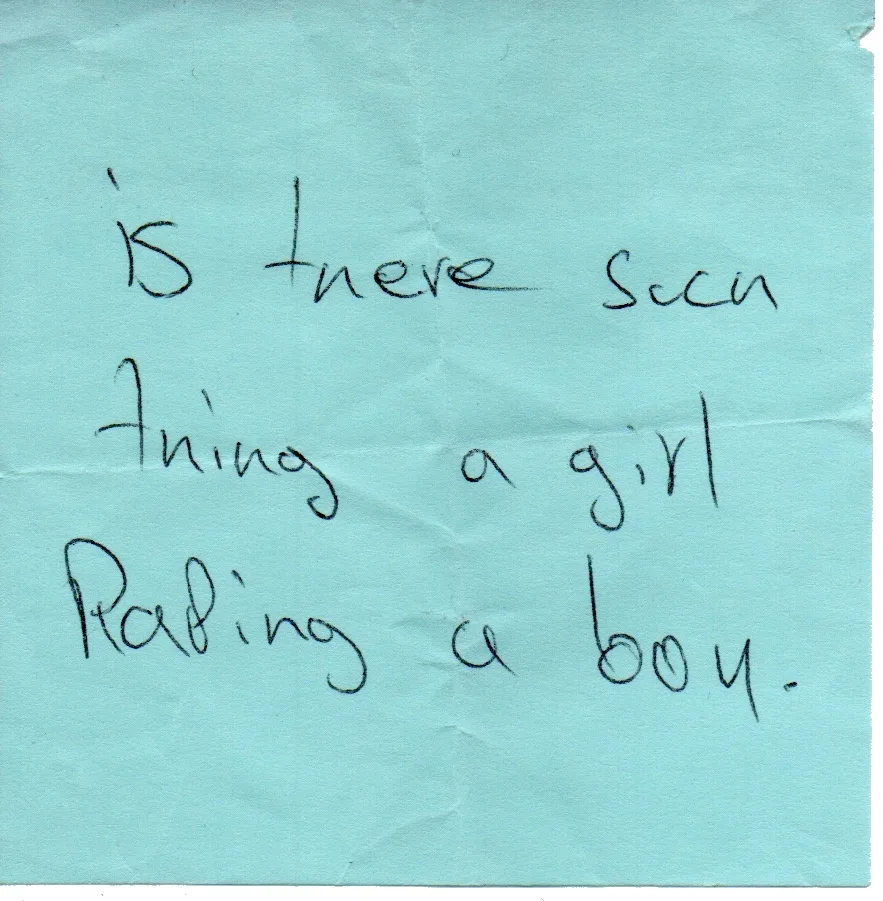
Is there such thing as a girl raping a boy?
Read the answer -
 Sexual Health
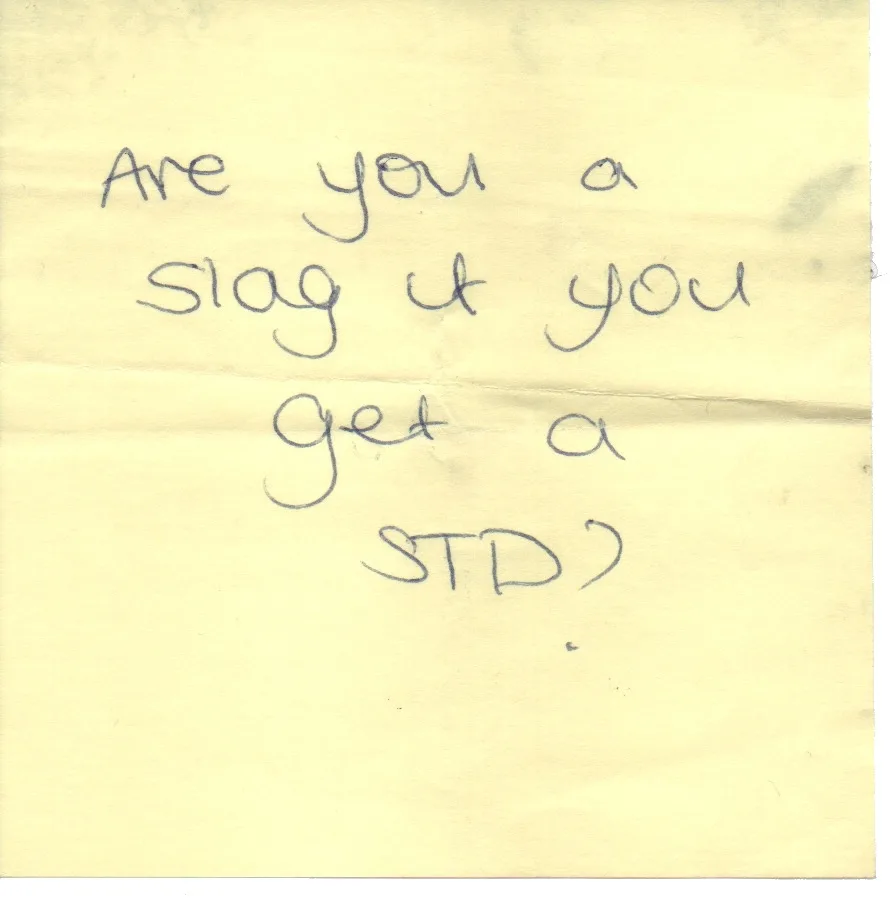
Are you a slag if you get an STD?
Read the answer
Questions about this session
Will the training tell us to teach a lesson about Andrew Tate?
No. Naming him introduces him to pupils who hadn't heard of him and gives him more weight in the room than he deserves. He appears where he's useful, as an example of why the material persuades, and staff leave able to do the same with whichever influencer is popular next.
Is it suitable for primary staff?
It's written for secondary and post-16 staff. If younger pupils in your school are already repeating these ideas, say so when you book and the session can be adapted for a primary team.
How do we avoid boys feeling targeted?
That's what the need-and-answer method is for. Confidence, money, fitness and belonging aren't wrong things to want, and a lesson that says so can challenge the harmful answer without accusing the boy who found it appealing. Restrictive ideas about masculinity harm boys too, and the training treats them that way.
Further reading and resources
A sample Year 9 sequence
Six lessons on gender, masculinity and influence, with the approach behind them.
What do boys actually think? The quiz
Sixteen survey findings. Guess first, then see the real number. About ten minutes, and it works as a staff meeting starter.
Masculinity and Misogyny: What Do Boys Actually Think?

Talking to Boys About Masculinity, Misogyny and Online Influencers

Sharing Nudes, Sextortion and Deepfakes: What Schools Need to Know in 2026

Teaching the hard topics when you're not a specialist


Enquire about Masculinity, misogyny and online influence
Get in touch to discuss how we can support your school.